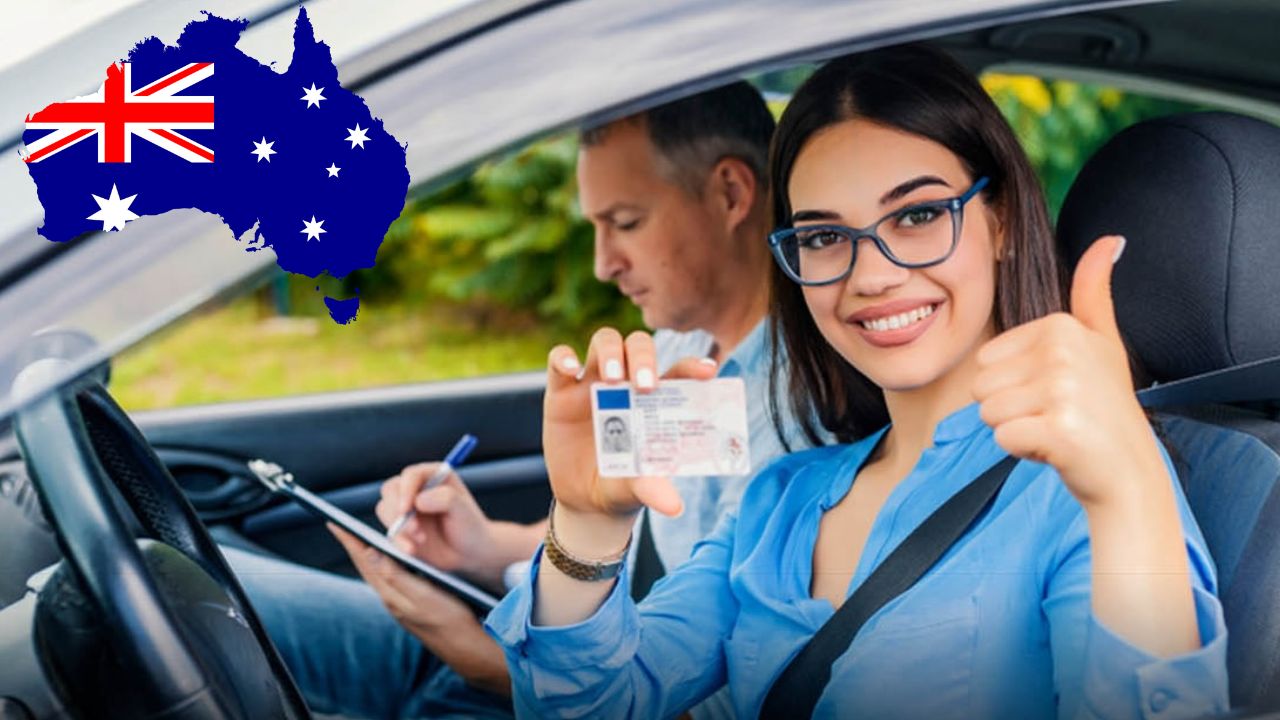
Turning 18 in Australia doesn’t just mean legal adulthood—it’s your ticket to freedom on the open road. But before you grab the keys, there’s a checklist to tick off. From applying for your learner’s permit to passing that nerve-wracking driving test, getting your first Australian driving licence is a structured (but totally doable) process. Whether you’re in Sydney, Melbourne, or Brisbane, the steps are mostly similar—though each state has its own quirks.
How Australians Can Apply for Their First Driving Licence
For most young Aussies, it all starts with the learner permit. Once you turn 16, you’re eligible to sit the knowledge test, which covers road signs, traffic rules, and safety regulations. You can book this through your state’s official transport authority—like Service NSW, VicRoads, or Queensland Transport.

After passing the test, you’ll receive a learner’s licence (L plates), allowing you to drive under supervision. From here, the process becomes about building skills and experience. Most states require anywhere between 50 and 120 hours of supervised driving, logged in your official learner logbook.
Once you’ve hit your required hours and met the minimum age (usually 17 or 18), you can take your provisional test—commonly called the “P test.” This test checks both your road knowledge and your real-world driving ability.
| Stage | Minimum Age | Key Requirement | Licence Type |
|---|---|---|---|
| Step 1 | 16 years | Pass knowledge test | Learner Permit (L) |
| Step 2 | 17–18 years | Complete supervised hours | Provisional P1 (Red P) |
| Step 3 | 19–20 years | Hold P1 for required period | Provisional P2 (Green P) |
| Step 4 | 21+ years | Pass full test | Full Licence |
Step-by-Step Process: From Learner to Full Licence
- Book and Pass the Knowledge Test
Each state runs an official online or in-person test. It’s multiple choice and focuses on traffic laws, signs, and safe driving practices. Study using your state’s driver handbook, available online or at licensing centers. - Obtain Your Learner Permit
Once you pass, you’ll get your learner permit and can start driving with an experienced driver sitting beside you (usually someone who’s held a full licence for 4+ years). - Complete Supervised Driving Hours
Log your practice hours accurately in the state-approved logbook. Most states require a mix of day, night, and different weather conditions. - Apply for Your Provisional (P1) Test
Once your logbook is verified, book your practical driving test. You’ll need to bring:- Proof of identity (birth certificate or passport)
- Proof of address (utility bill or bank statement)
- Completed learner logbook
- Appointment confirmation and payment receipt
- Progress Through P1 and P2
After holding your P1 licence for the mandatory period (usually 12 months), you can progress to P2, and eventually to a full licence once you meet all time and safety requirements.
Each state’s licensing system—like Transport for NSW’s Graduated Licensing Scheme or VicRoads’ P-Plate process—follows a gradual learning structure to ensure safer roads.
Driving Licence Application Requirements for Young Australians

Before you book your test, gather all required documents. Missing even one can delay your application:
| Requirement | Example Documents | Purpose |
|---|---|---|
| Proof of identity | Birth certificate, passport | Verify citizenship or residency |
| Proof of address | Bank statement, utility bill | Confirm residential location |
| Medical fitness | Doctor’s certificate (if required) | Assess health and eyesight |
| Learner logbook | State-approved logbook | Verify supervised hours |
| Payment | Debit/credit card, EFTPOS | Cover test and licence fees |
Also, don’t forget the eyesight test, which most states conduct on-site before your driving exam. If you wear glasses or contact lenses, make sure your licence reflects that restriction.
Essential Tips for Learner Drivers
Learning to drive isn’t just about clocking hours—it’s about developing safe habits that’ll last a lifetime.
- Practice deliberately: Don’t just drive the same route to school every time. Mix it up—drive at night, in the rain, and during busy traffic hours.
- Keep your logbook clean: Any inconsistencies can raise red flags during assessment.
- Learn to stay calm under pressure: The driving test evaluates not only technical skill but composure and awareness.
- Avoid shortcuts: Some learners rush through practice just to “get it over with.” In reality, the more confident and prepared you are, the better your chances of passing on the first try.
- Stay updated: Road rules can change—especially speed limits, mobile phone laws, and safety penalties. Always check your local transport authority for the latest updates.

Remember: getting your licence isn’t just about earning the right to drive—it’s about earning the responsibility to drive safely.
The Road to Independence
Once you’ve got your full licence in hand, it’s not just a piece of plastic—it’s a milestone. You’ve demonstrated skill, discipline, and respect for road safety. But the learning doesn’t stop there. Even experienced drivers are encouraged to take defensive driving courses or hazard perception training to sharpen their awareness on Australia’s busy roads.
So, whether you’re in Perth navigating coastal highways or in Melbourne’s tight city lanes, remember—safe driving starts with good habits learned from day one.
FAQs:
What is the minimum age to get a driving licence in Australia?
You can apply for your learner permit at 16, but you’ll usually need to be 17 or 18 to qualify for your provisional licence, depending on your state.
How many supervised driving hours are required?
Most states require 50 to 120 hours of supervised driving, including at least 10 hours at night.
Can international students apply for an Australian driving licence?
Yes, international residents can apply through conversion pathways or by taking the same tests as locals. Requirements vary by state.