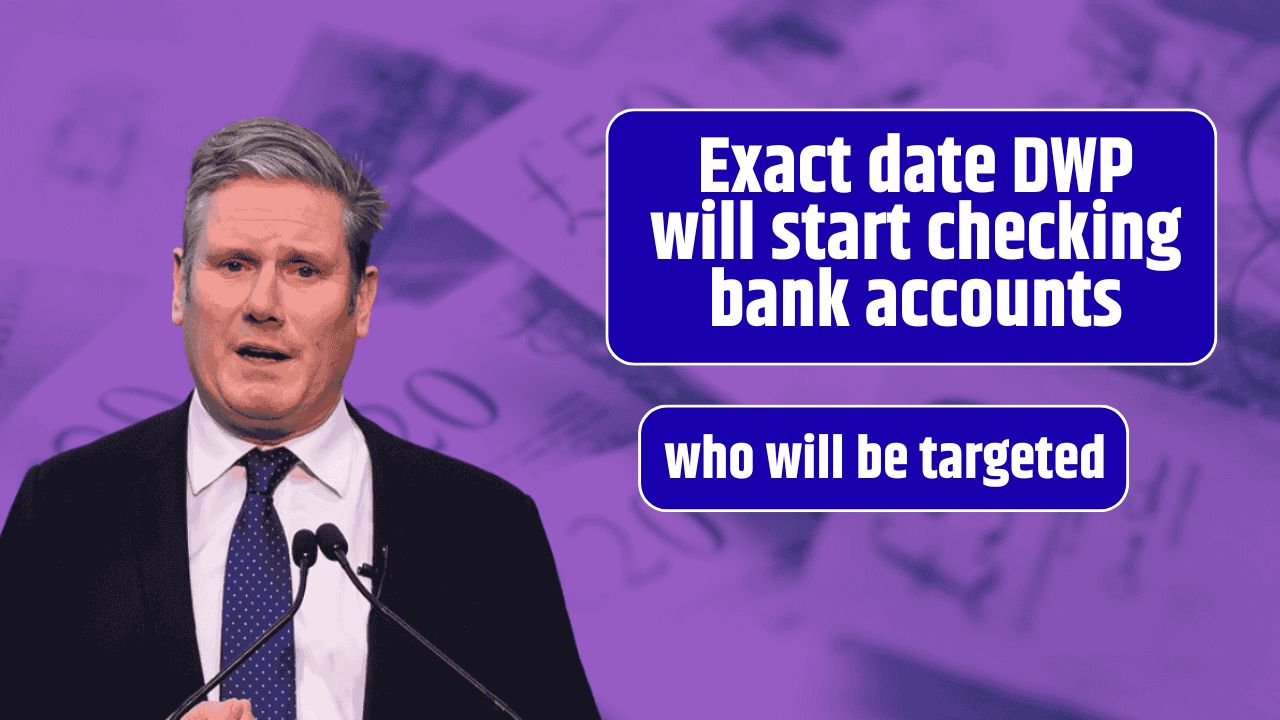
The UK Department for Work and Pensions (DWP) is preparing to introduce a new bank account monitoring system from April 2026 as part of efforts to reduce benefit fraud and administrative errors. The new powers are part of the Public Authorities (Fraud, Error and Recovery) Bill, which is currently under review in Parliament.
The bill will allow the DWP to require banks and financial institutions to share limited account data that can help detect fraud or verify eligibility for benefits such as Universal Credit, Pension Credit, and Employment and Support Allowance (ESA).
Objective of the New Rules

The government says the new measures will safeguard public money by preventing fraudulent claims and identifying ineligible payments. Ministers argue that the plan could save around £1.5 billion over the next five years and forms part of a broader strategy to save £9.6 billion by 2030.
According to the DWP, the process will not involve giving officials direct access to people’s bank accounts. Instead, banks will use automated data systems to flag accounts showing signs of possible fraud, such as large unexplained deposits or overseas transactions suggesting extended stays abroad. Any flagged case will then be reviewed by a DWP staff member before any action is taken.
Government Response
A DWP spokesperson said:
“These powers will be used appropriately and proportionately through robust new oversight and reporting rules. Any signals of potential fraud will always be looked at comprehensively by a member of staff.”

The government insists that these checks will only target a small number of accounts where benefits are being paid and will not involve continuous surveillance of all claimants.
Criticism and Concerns
Despite the government’s assurances, the plan has drawn criticism from civil society groups and charities, who have described it as a form of mass financial surveillance.
Organisations including Disability Rights UK, Age UK, Privacy International, Child Poverty Action Group, and Big Brother Watch have raised concerns that the system could unfairly target vulnerable individuals such as pensioners, carers, and disabled people.

In a joint letter to former Work and Pensions Secretary Liz Kendall, these groups warned that the policy could lead to errors similar to the Post Office Horizon scandal, in which faulty software wrongly accused hundreds of subpostmasters of fraud.
The letter stated: “Pensioners, disabled people, and carers shouldn’t have to live in fear of the government prying into their finances.”
Parliamentary Review
The bill is currently being reviewed by the House of Lords, with sessions scheduled for October 15 and October 21, 2025. If approved, it will receive Royal Assent in early 2026, after which the DWP will begin implementing the system.
The government maintains that the new approach will be fair and that the use of data will comply with privacy and data protection laws.
Impact on Claimants
Most benefit recipients who comply with reporting requirements are not expected to see any major changes. However, those whose accounts are flagged for unusual activity may be asked to provide additional verification or evidence.
There will be no automatic suspension of benefits without human review, and claimants will retain the right to appeal or challenge any decisions.
To avoid potential issues, claimants are advised to keep their personal and financial information up to date with the DWP and report any changes in income, savings, or living circumstances promptly.
FAQs:
When will the DWP start checking bank accounts?
The Department for Work and Pensions is expected to begin the new bank account monitoring system in April 2026, following the passage of the Public Authorities (Fraud, Error and Recovery) Bill.
Will the DWP have direct access to my bank account?
No. The DWP will not have direct access to your funds or transaction details. Banks will automatically flag unusual activity — such as large deposits, overseas transactions, or spending patterns inconsistent with declared information — and share limited data with the DWP for further review.
Which benefits will be affected by this new system?
The initial focus will be on Universal Credit, Pension Credit, and Employment and Support Allowance (ESA). Over time, the system may expand to include other benefits.