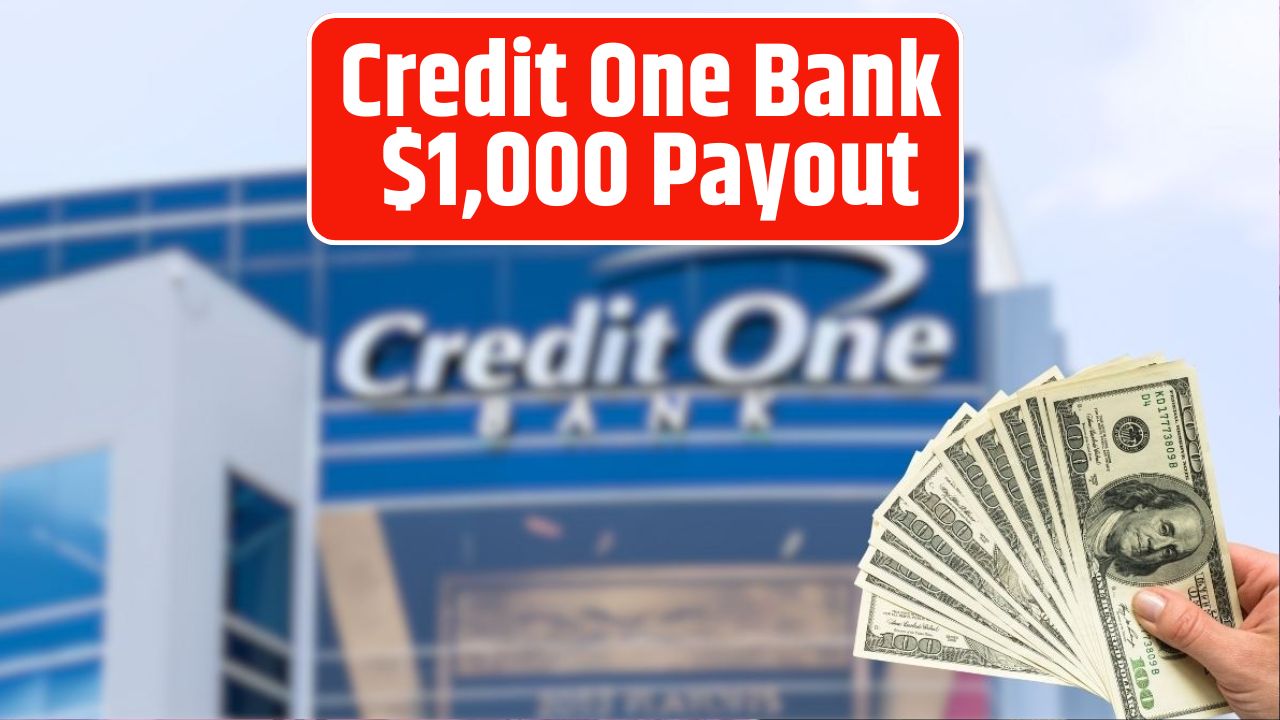
It’s happening again — another big-name bank is paying out after years of unwanted phone calls. Credit One Bank has agreed to a $14 million settlement to resolve a major class action lawsuit accusing it of bombarding consumers with illegal robocalls between 2014 and 2019. If you received repeated automated calls or pre-recorded messages from Credit One — even if you weren’t a customer — you could soon be eligible for up to $1,000.
The case stems from allegations that Credit One violated the Telephone Consumer Protection Act (TCPA) by using auto-dialers or recorded messages without consent. And while the bank still denies wrongdoing, it’s decided to settle — likely to avoid years of costly litigation.
Why Credit One Bank Is Paying $14 Million

The lawsuit claims Credit One used automated dialing systems to reach both customers and non-customers with marketing pitches, reminders, and debt-collection calls — even after many people had asked to be removed from call lists.
Under the TCPA, businesses can’t use autodialers or prerecorded messages to call or text people without what’s called “prior express consent.” And once you tell a company to stop calling, continuing to do so is a clear violation.
Consumers reported receiving multiple calls a day, often to mobile phones, with no easy way to opt out. That pattern triggered a wave of complaints and, eventually, a class action lawsuit that has now culminated in this settlement.

Credit One hasn’t admitted guilt, but the payout provides compensation for affected individuals — and a chance to close the chapter on a case that’s been brewing for nearly a decade.
Who Qualifies for the Credit One Settlement
To be eligible for a share of the settlement, you’ll need to meet a few basic criteria:
- You received one or more robocalls or prerecorded messages from Credit One Bank or an affiliated entity.
- The calls were made without your consent.
- The calls took place between 2014 and 2019.
- You may have been a customer or non-customer — both groups are included.
Those who qualify will later receive a notice by mail or email with a Claim ID or a class member number. This ID will allow you to file your claim once the official settlement website is launched.

The expected payout per person ranges from $100 to $1,000, depending on how many people file and the strength of each claim.
How to File a Claim (Once the Portal Opens)
While the official claims site isn’t live yet, the process will follow the standard class action structure. Here’s what to expect once it launches:
- Go to the official settlement website (link to be announced soon).
- Enter your Claim ID or class member number from the notice you receive.
- Fill out the claim form — include your contact info, the phone numbers that received calls, and approximate call dates.
- Attach supporting documentation, such as phone logs, call records, or screenshots if requested.
- Submit online before the official deadline (expected early 2026).
- Alternatively, submit a paper claim form by mail to the settlement administrator’s address, keeping copies for your records.
Payments will be issued by check or direct deposit, depending on your selection during submission.
Estimated Timeline for Settlement Payouts
While many of the key dates remain pending, here’s a projected schedule based on typical federal class action procedures:
| Milestone | Estimated Date |
|---|---|
| Settlement Announcement | Mid-2025 |
| Claims Website Launch | Late 2025 |
| Final Court Approval Hearing | November–December 2025 |
| Claim Submission Deadline | Early 2026 |
| Payments Distributed | Mid–Late 2026 |
This assumes the court grants approval without delays or appeals. If any objections are filed, the payout timeline could extend into 2027.
How Much You Might Receive
Once attorneys’ fees, administrative costs, and service awards are deducted, roughly $8–$9 million will remain in the compensation fund. The individual payout depends on several factors:
- The total number of valid claims filed.
- Whether your claim is backed by evidence (like call logs).
- The total settlement fund available after fees.
In past TCPA settlements, payouts have ranged widely — from around $50 on the low end to nearly $1,000 for verified claims.
What Makes This Case Significant
The Credit One lawsuit reflects a broader trend: courts cracking down on unwanted robocalls, which continue to be one of the top consumer complaints filed with the Federal Communications Commission (FCC) each year.
The TCPA gives individuals the right to sue for $500 per illegal call, or $1,500 per call if the violation is proven willful. That’s why companies often settle — the potential exposure from millions of calls could add up fast.
Documentation and Tips for Strong Claims
To maximize your potential payout:
- Keep evidence such as phone records, screenshots, or voicemail recordings showing calls from Credit One.
- Check your email and mail carefully for official claim notices — they’ll come from the court-approved settlement administrator, not Credit One itself.
- Avoid scams. Never submit personal or banking details on unofficial sites or social media links. The real claims portal will be hosted on a .com or .net domain tied to a legitimate settlement administrator and will be listed on the U.S. Consumer Financial Protection Bureau or Federal Trade Commission pages.
FAQs:
How much can I receive from the Credit One settlement?
Most class members will receive between $100 and $1,000, depending on claim volume and proof provided.
Do I have to be a Credit One customer to qualify?
No. Both customers and non-customers who received unwanted calls between 2014 and 2019 may be eligible.
Is this settlement real?
Yes, the settlement negotiations are real, but final court approval is still pending. Always verify information on official government or court websites.