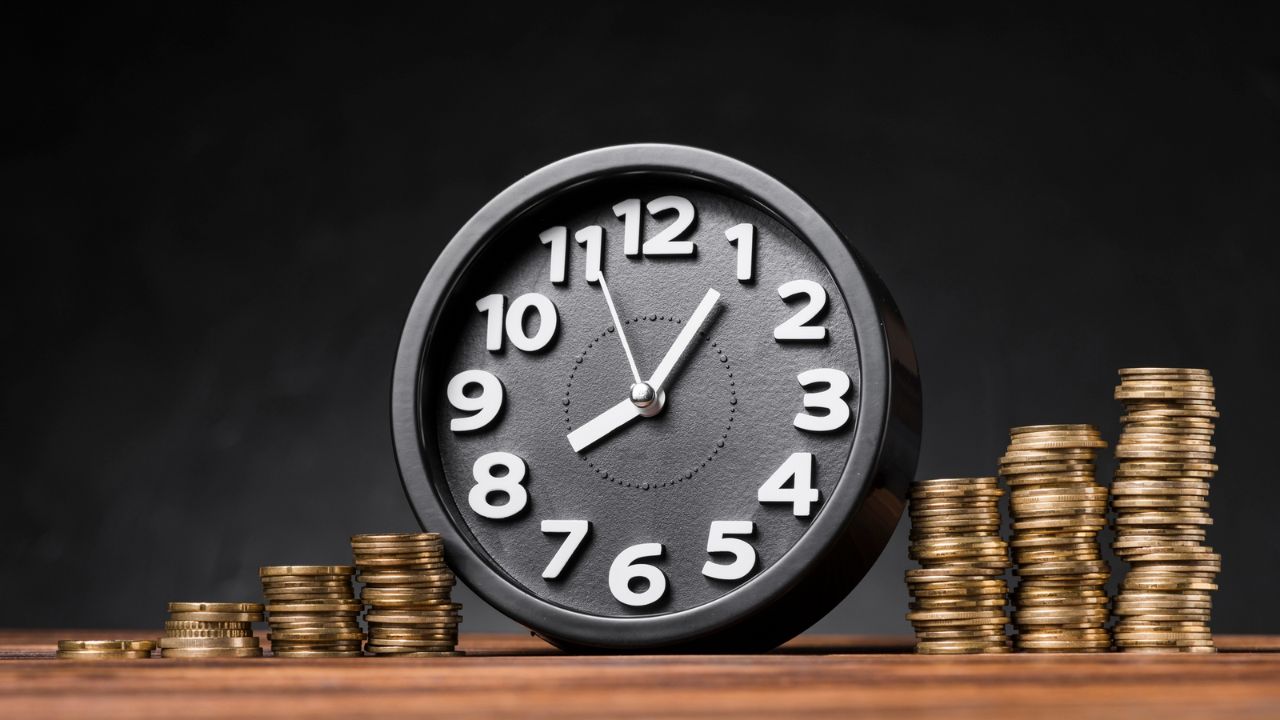
It’s that time of year again—the one where your phone magically fixes itself overnight, but your wall clock mocks you for the next three days. The air’s cooler, the skies darker, and the collective mood just a little crankier. On Sunday, November 2, 2025, the U.S. will “fall back” one hour as daylight saving time (DST) officially ends—unless, of course, you’re lucky enough to live somewhere that never changes the clock at all.
The End of Daylight Saving Time 2025
Daylight saving time kicks off every year on the second Sunday in March and wraps up on the first Sunday in November, a routine locked in since the Uniform Time Act of 1966. This year, that means we’ve been “saving daylight” since March 9, and come 2 a.m. on November 2, we’ll wind the clocks back an hour—resetting to 1 a.m.

For most people, it’s an easy sell: one extra hour of sleep, one last chance to brag about your internal clock being “off.” But for others—especially parents, shift workers, and anyone whose body refuses to cooperate—it’s a groggy reminder of how arbitrary this biannual ritual really is.
The Great Time Debate
Every few years, the clock controversy reignites like a late-night caffeine debate: Why are we still doing this?
In April 2025, former President Donald Trump weighed in on Truth Social, urging Congress to make DST permanent, calling it “very popular” and complaining about the “big inconvenience” of switching twice a year. But, in true Trumpian fashion, his stance has swung like, well, a pendulum clock—previously suggesting in December 2024 that he preferred ending DST altogether and making standard time permanent.

So where does that leave us? Somewhere between confusion and compromise. Supporters of permanent daylight saving time argue it gives people more sunlight after work, boosts retail sales, and even reduces traffic accidents. But the Save Standard Time movement pushes back, pointing to research on how early-morning darkness can mess with our circadian rhythms and affect sleep quality—especially for kids catching early buses.
Pennsylvania’s Push for Permanent Time
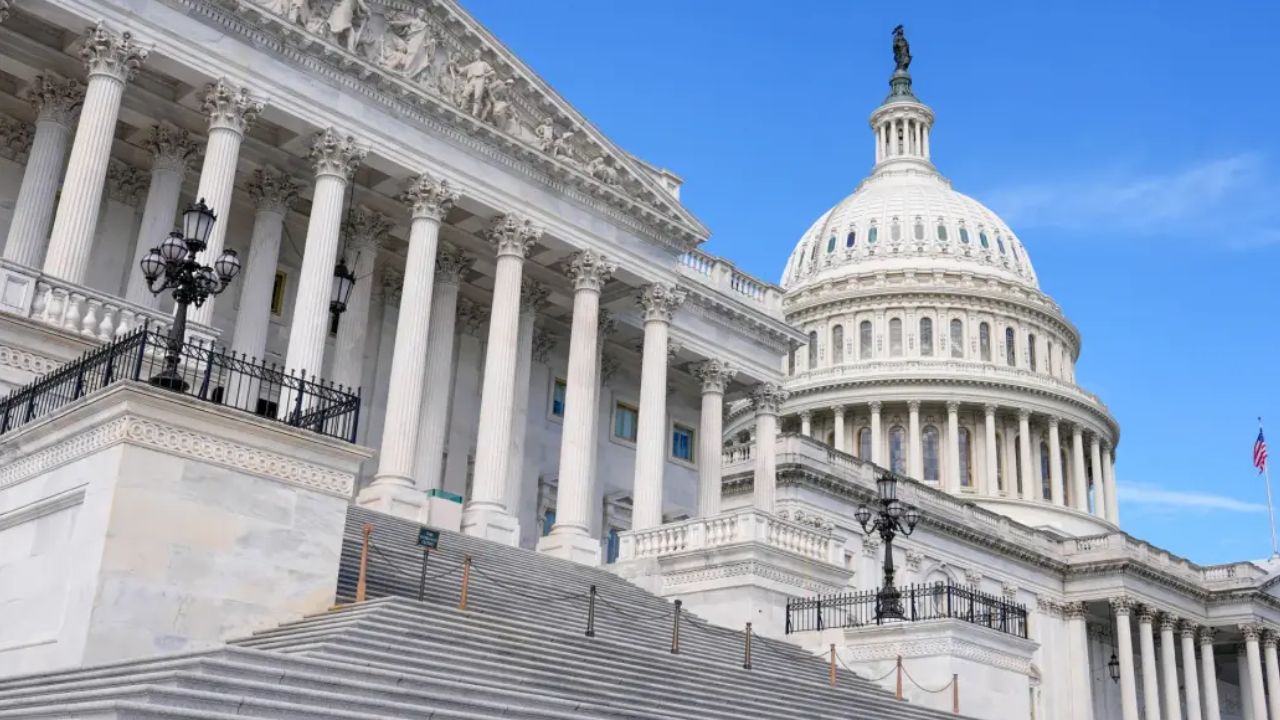
Pennsylvania’s legislature has been trying to settle this once and for all. Over the past few years, lawmakers have advanced several bills and resolutions pressing Congress to either make DST permanent or end the clock changes entirely. The most recent move came in March 2025, when the Pennsylvania Senate passed a resolution calling on Congress to “end the outdated practice” of clock switching.
They’re not alone. Twenty-nine states have introduced similar legislation in recent years, though federal approval is required before any state can officially stop changing clocks. Meanwhile, the Sunshine Protection Act, first passed by the Senate in 2022 but stalled in the House, was reintroduced again this January—but hasn’t moved since.
| Legislative Effort | Status | Goal |
|---|---|---|
| Sunshine Protection Act (Federal) | Reintroduced Jan 2025 | Make DST permanent nationwide |
| Pennsylvania Senate Resolution (Mar 2025) | Passed | Urge Congress to end clock changes |
| State-Level Bills (29 states) | Varying | Seek year-round time consistency |
So… What Actually Happens on November 2?

At 2 a.m., the clock ticks back to 1 a.m., meaning you gain an hour of potential sleep, productivity—or Netflix. The change will make mornings a bit brighter and evenings darker, which, depending on your lifestyle, feels either cozy or claustrophobic.
According to the Farmer’s Almanac, the original purpose of DST was to maximize daylight during longer summer evenings and then shift back to brighter winter mornings. But modern critics argue that in an era of LED lights and 24/7 work culture, the energy-saving rationale no longer holds up.
Who Doesn’t Change Their Clocks?
Most of the U.S. still follows the time change tradition—but not everyone plays along. Hawaii and most of Arizona (except the Navajo Nation) skip it altogether. So do Puerto Rico, Guam, the U.S. Virgin Islands, American Samoa, and the Northern Mariana Islands.
| Participating States | Exceptions |
|---|---|
| 48 contiguous U.S. states | Hawaii, most of Arizona |
| Territories observing standard time year-round | American Samoa, Guam, Puerto Rico, U.S. Virgin Islands, Northern Mariana Islands |
If you’re not sure which side your state lands on, the National Institute of Standards and Technology (NIST) provides the official map and rules.
What Happens After the Time Change?
Expect darker evenings, earlier sunsets, and an adjustment period that can take up to a week. If you’re curious, the shortest day of 2025—the winter solstice—falls on Sunday, December 21, bringing roughly 9 hours and 17 minutes of daylight. After that, the days start stretching again, slowly pulling us toward spring and the next inevitable “spring forward.”
Will It Ever End?
Hard to say. The political appetite for change is there—but Congress has bigger clocks to fix, metaphorically speaking. Until there’s a federal decision, we’re stuck in time limbo, toggling between two systems that everyone loves to hate but no one can seem to agree on how to replace.
So yes, it’s annoying. But at least this time, you get an extra hour of rest—and one last quiet Sunday morning before winter really kicks in.
FAQs:
When does daylight saving time end in 2025?
It ends at 2 a.m. on Sunday, November 2, 2025, when clocks fall back one hour.
Do we gain or lose an hour when DST ends?
You gain one hour—meaning more sleep, if your body cooperates.
Which states don’t observe daylight saving time?
Hawaii, most of Arizona, and the U.S. territories (Puerto Rico, Guam, American Samoa, Northern Mariana Islands, and the Virgin Islands).